Textured Ceiling Removal in San Diego County, CA
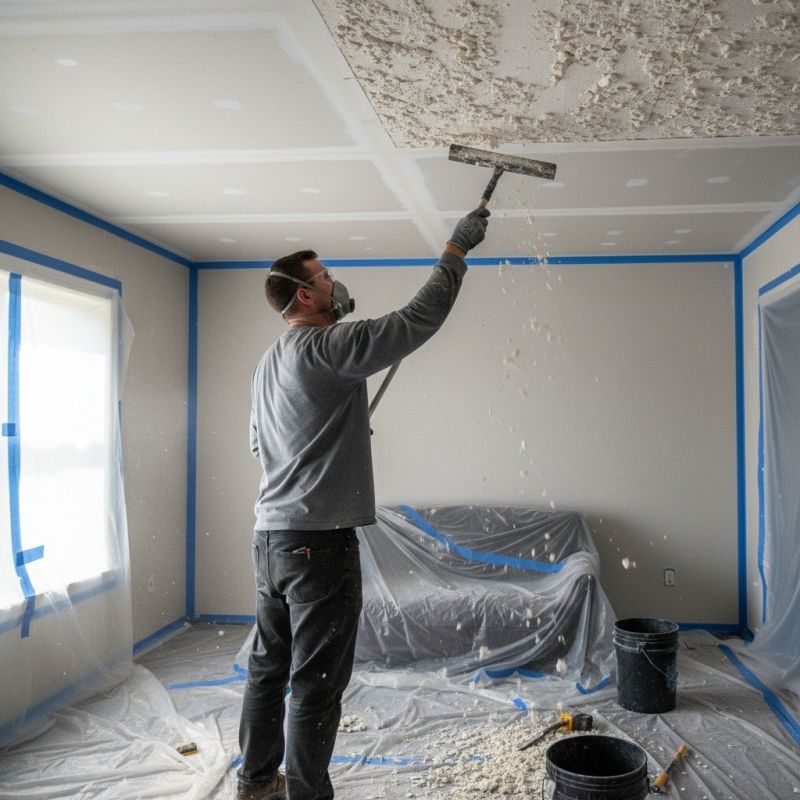
Textured ceiling removal services involve the careful process of eliminating existing textured finishes from ceilings, often to achieve a smoother, more modern appearance. This type of project typically covers homes and commercial properties with popcorn, slap, or other textured coatings that may have been applied for aesthetic or acoustic reasons. Property owners usually seek this service when updating the look of a space, improving lighting conditions, or addressing concerns about outdated or damaged ceiling finishes.
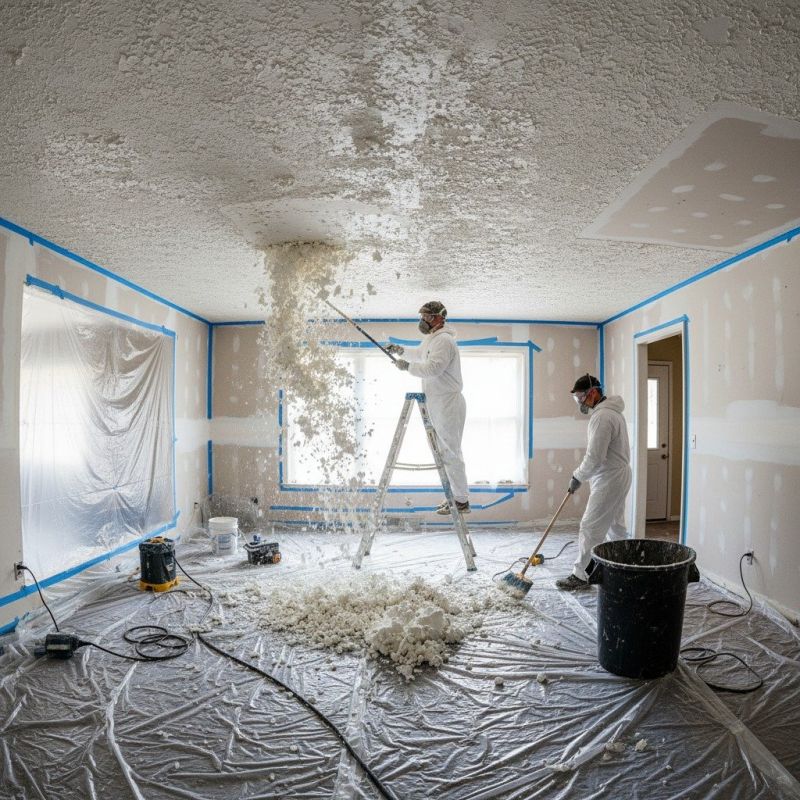
Before requesting textured ceiling removal, property owners should understand that the process can involve some dust and debris, and may require proper surface preparation for a smooth finish afterward. It’s also helpful to know the type of texture applied, as some techniques or materials may require different removal methods. Clarifying these details can ensure the project meets expectations and results in a clean, updated ceiling surface suitable for painting or other finishing touches.
Many property owners in San Diego County, CA look into Textured Ceiling Removal for repairs, replacements, upgrades, and appearance-related improvements.
Benefits Of Textured Ceiling Removal
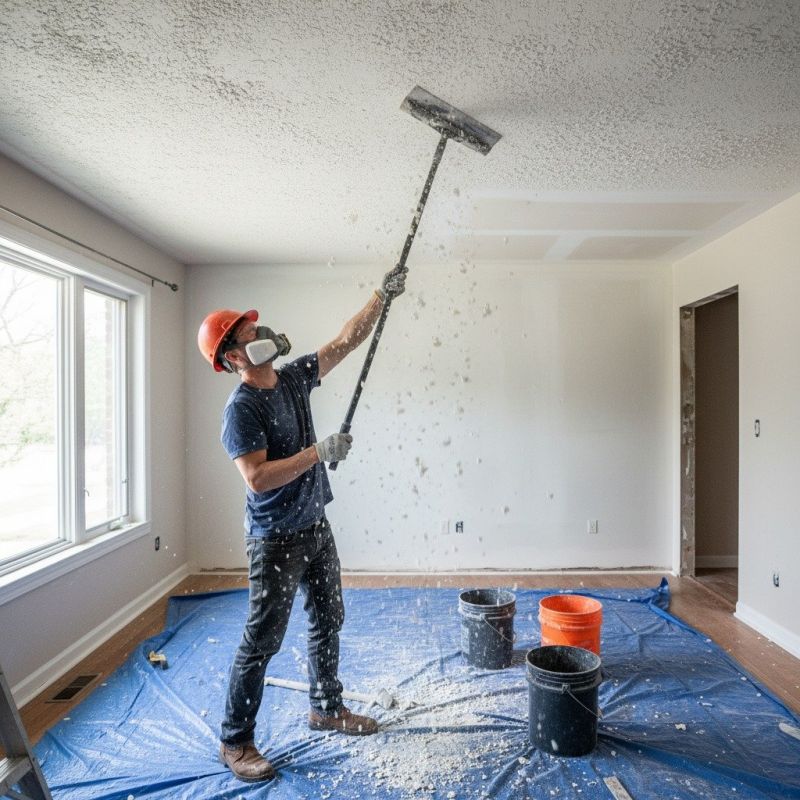
Removing textured ceilings can create a cleaner, more modern look in homes throughout san diego county.
Common Projects For Ceiling Refinishing
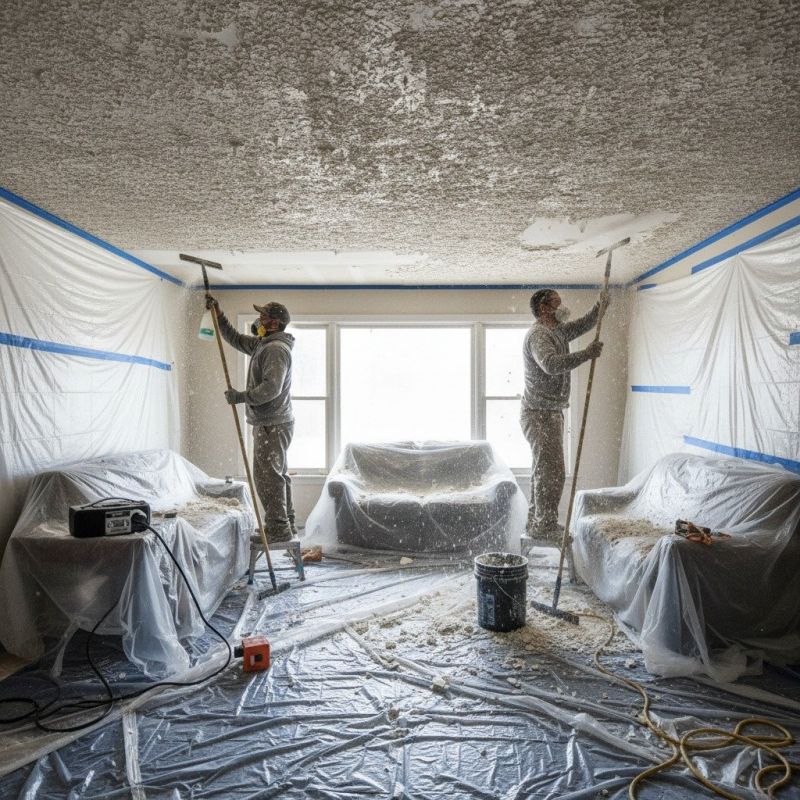
Many property owners choose to remove textured ceilings when updating living spaces or preparing for resale.
Considerations Before Removal
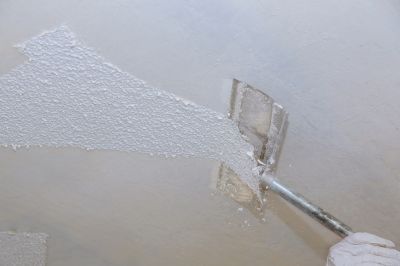
Proper preparation and safety measures are essential for a smooth and dust-free textured ceiling removal process.
Textured Ceiling Removal in San Diego County, CA

Textured ceiling removal services involve the careful process of eliminating existing textured finishes from ceilings, often to achieve a smoother, more modern appearance. This type of project typically covers homes and commercial properties with popcorn, slap, or other textured coatings that may have been applied for aesthetic or acoustic reasons. Property owners usually seek this service when updating the look of a space, improving lighting conditions, or addressing concerns about outdated or damaged ceiling finishes.
Before requesting textured ceiling removal, property owners should understand that the process can involve some dust and debris, and may require proper surface preparation for a smooth finish afterward. It’s also helpful to know the type of texture applied, as some techniques or materials may require different removal methods. Clarifying these details can ensure the project meets expectations and results in a clean, updated ceiling surface suitable for painting or other finishing touches.
Many property owners in San Diego County, CA look into Textured Ceiling Removal for repairs, replacements, upgrades, and appearance-related improvements.
Common Textured Ceiling Removal Jobs
Textured ceiling removal - involves safely removing popcorn or acoustic ceiling finishes.
Ceiling smoothing - creates a flat, modern surface for painting or decorating.
Home renovation projects - updates outdated ceilings to improve interior aesthetics.
Damage repair - addresses water or structural damage hidden beneath textured coatings.
Surface preparation - ensures a clean, smooth base for new ceiling finishes.
Property upgrades - enhances the appearance and value of residential or commercial spaces.

Textured Ceiling Removal Questions
What is textured ceiling removal? It is the process of eliminating textured finishes from ceilings to achieve a smooth surface.
Why remove textured ceilings? Removal can improve the appearance, make ceilings easier to clean, and prepare for painting or new finishes.
What types of textured ceilings are commonly removed? Common types include popcorn, acoustic, and stippled textures.
Is textured ceiling removal suitable for all ceilings? It is suitable for most ceilings, but some surfaces may require special preparation or techniques.
Request Textured Ceiling Removal in San Diego County, CA
Use the quote form on this page to share the basics of your project and request more information for the type of work you need.